April 23, 2022 – June 11, 2022
InLiquid Gallery, Philadelphia
Curated for InLiquid
Overview
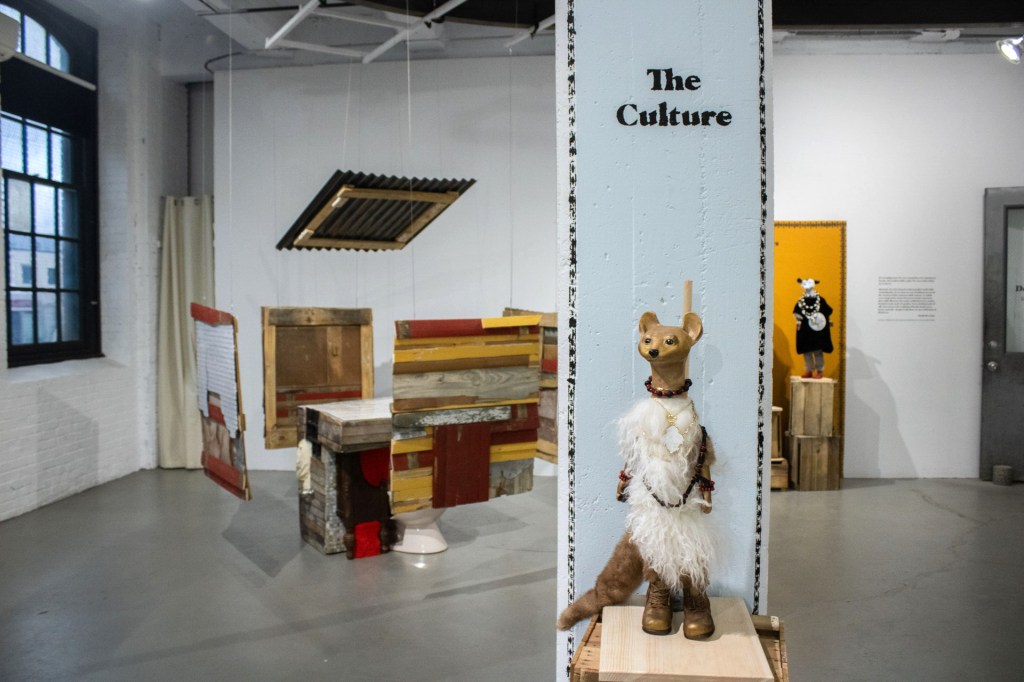
Dolls, Idols, and Ideals brought together Kimberly Camp and Emilio Maldonado, two Black artists whose work considered how identity is shaped through lineage, spirituality, folklore, migration, and the cultural forms people carry with them.
Both artists worked with symbols connected to ancestry and spiritual life, but neither treated culture as fixed or untouched. Instead, the exhibition focused on traditions that survive by changing: stories retold in new places, spiritual practices adapted across generations, and materials transformed into new forms of power and meaning.
Camp’s dolls and paintings drew from Black American folklore, archetypal characters, spirituality, and a decades-long practice exploring African American history and visual culture. For the exhibition, she created a body of new work centered on questions of Blackness, including figures rooted in trickster traditions and stories that have moved through Black American culture.
Maldonado worked with assemblage, found objects, discarded materials, and the body. His work explored Black and immigrant identity, vulnerability, poverty, architecture, and the ways people construct power from materials that have already been assigned little value.
Together, the artists asked: What survives when culture is displaced, and what new forms emerge when people reshape inherited traditions for the lives they are actually living?
Curatorial Approach
I worked with Kimberly Camp and Emilio Maldonado over roughly two years as the exhibition developed. Both were deeply interested in the African diaspora, spirituality, folklore, and the ways cultural knowledge survives across distance and generations, but they approached those questions from different histories and artistic methods.
Camp brought a long-established practice examining Black American culture through painting, dolls, history, and material tradition. Maldonado approached the exhibition through his Afro-Caribbean and immigrant experience and through a material language built from fragments, refuse, and repurposed objects.
Through sustained dialogue, I worked with both artists as they developed responses to questions about ancestry, spirituality, folklore, race, migration, and the meaning of Blackness in contemporary America. Camp created new works drawing on Black American storytelling and archetypal figures. Maldonado’s assemblages and performative self-fashioning transformed discarded materials into forms of vulnerability, protection, and power.
The installation was shaped by the artists and the physical needs of the work. My role centered on developing the conceptual relationships among the pieces, shaping the interpretive framework, and creating public programs that could expand the conversation beyond what any single artwork or wall text could hold.
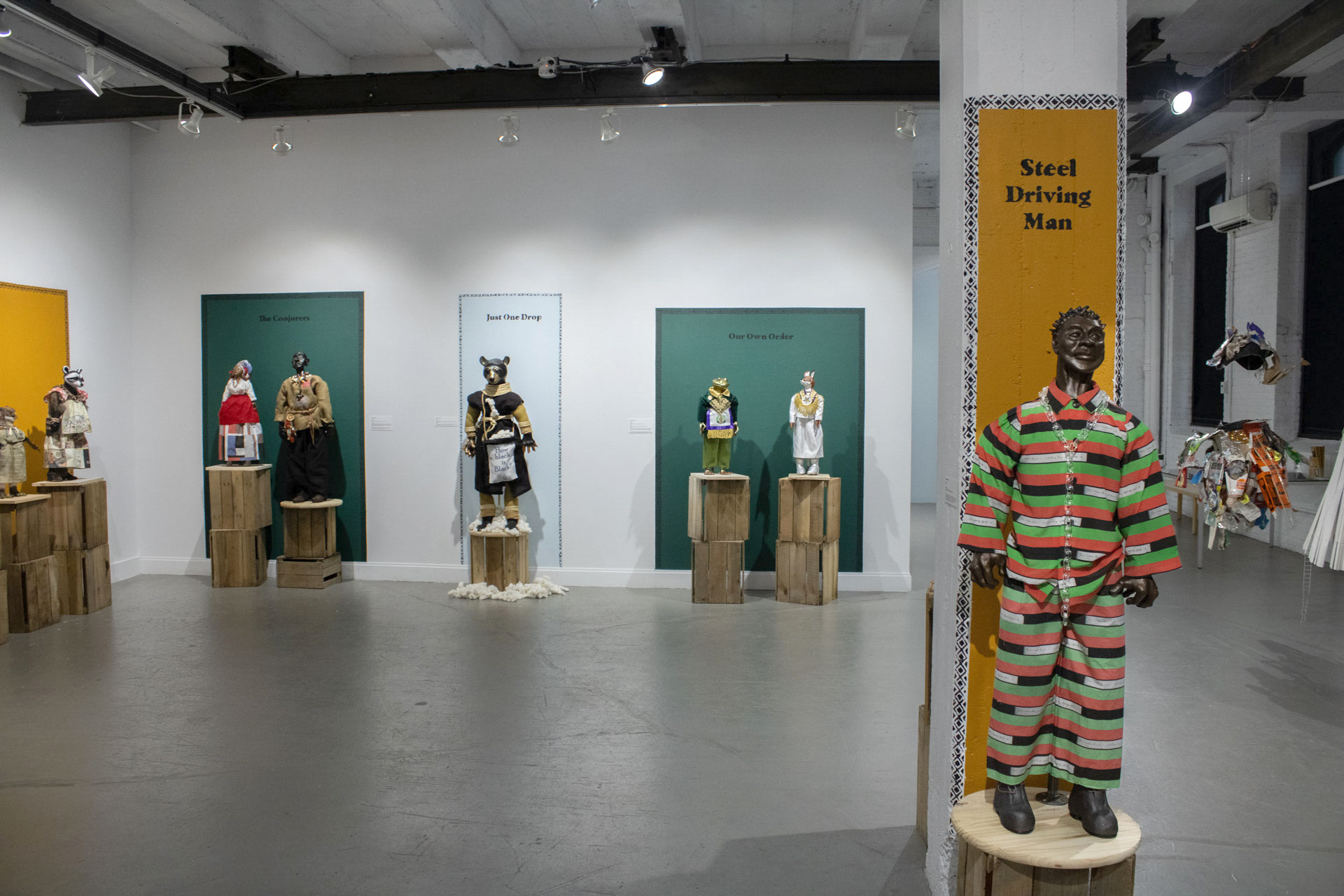

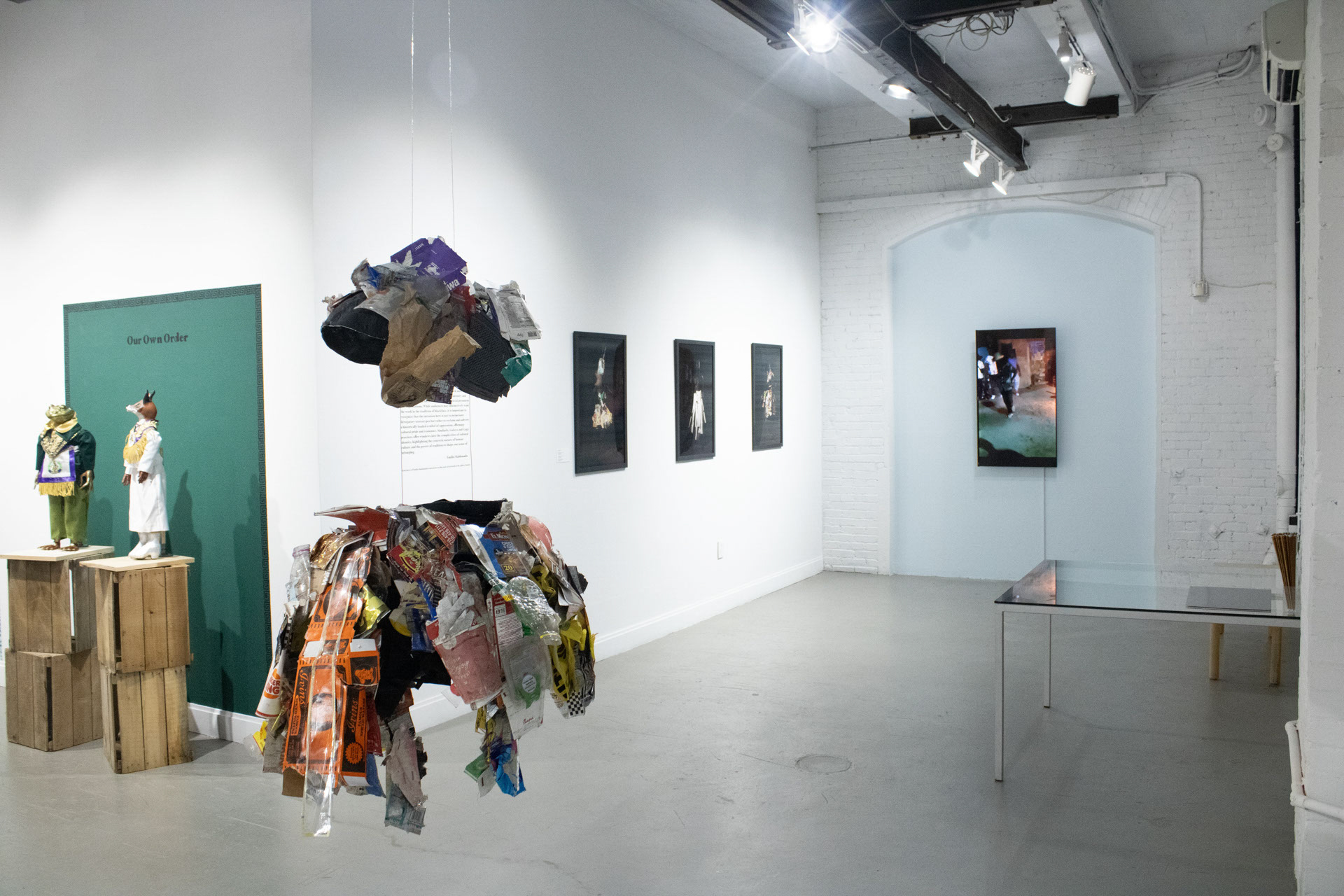

Exhibition views
What survives, and what changes?
The exhibition began from the recognition that cultural traditions do not move intact through history. Across the African diaspora, stories, spiritual practices, objects, symbols, and ways of understanding the world have been carried through forced displacement, migration, assimilation, racism, and generational change.
What survives is often fragmented, adapted, combined with other traditions, or remade for a new place. Camp and Maldonado both worked within that instability, asking how inherited forms change as they are carried forward and what new meanings emerge when people reshape culture for the lives they are actually living.
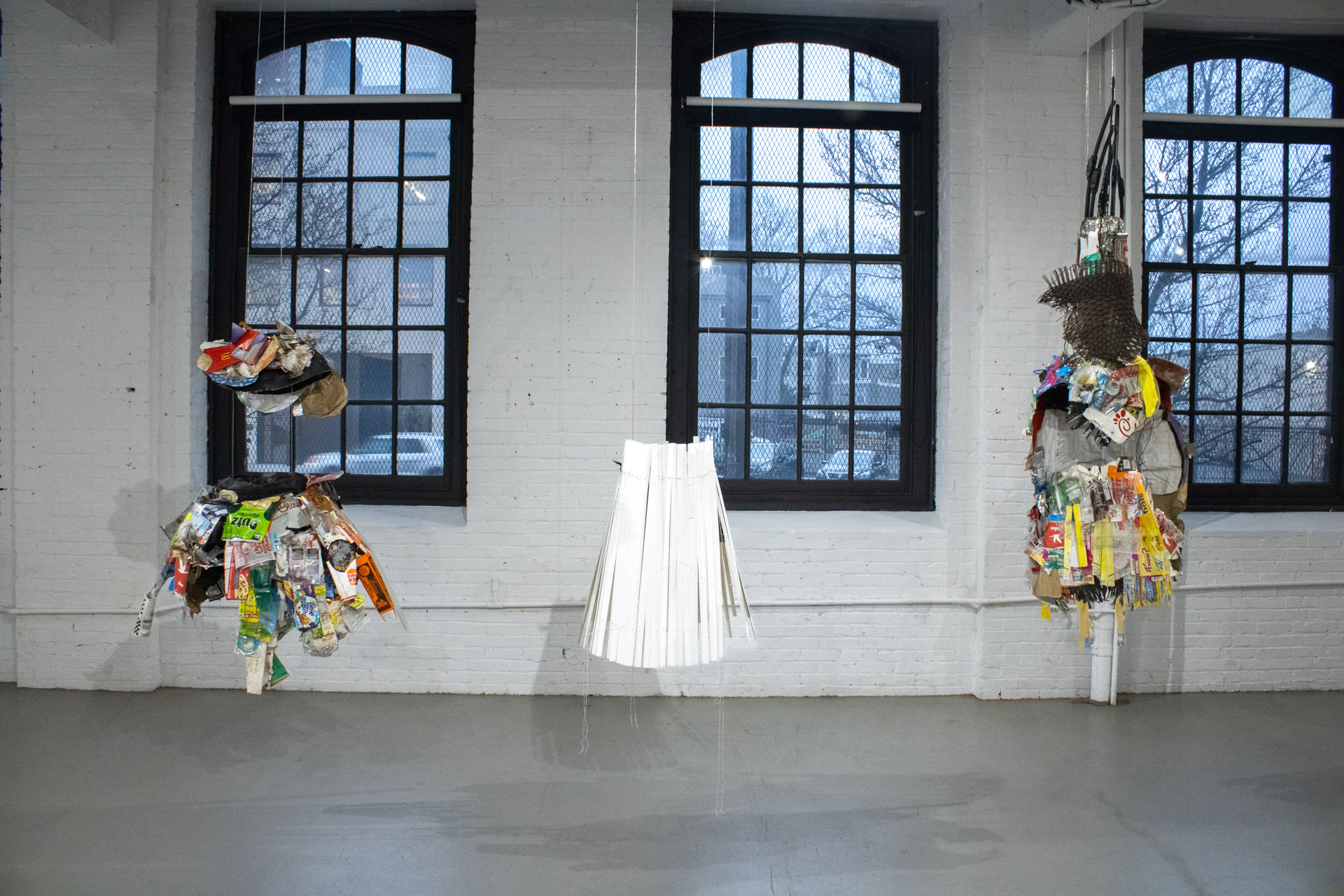
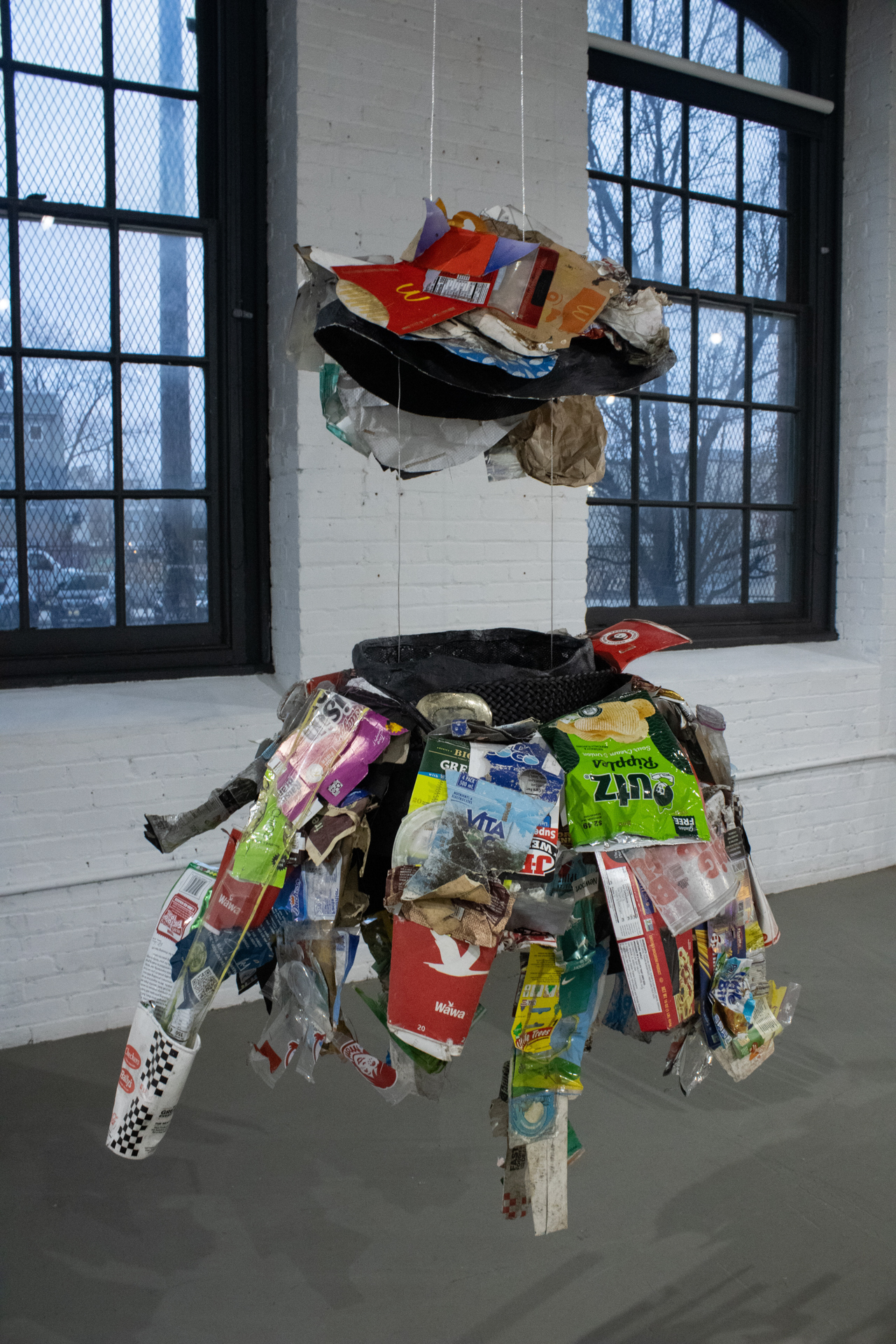
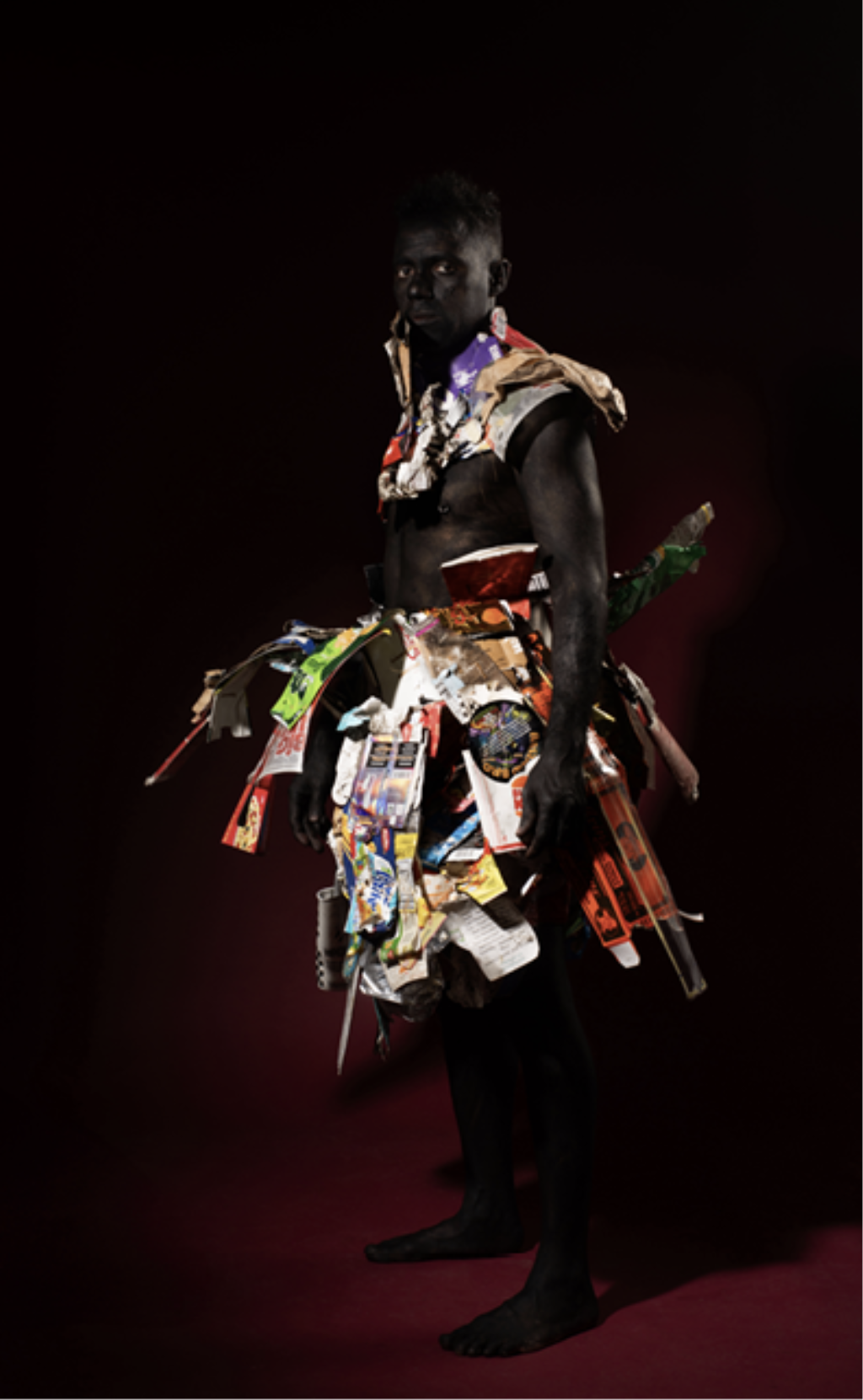
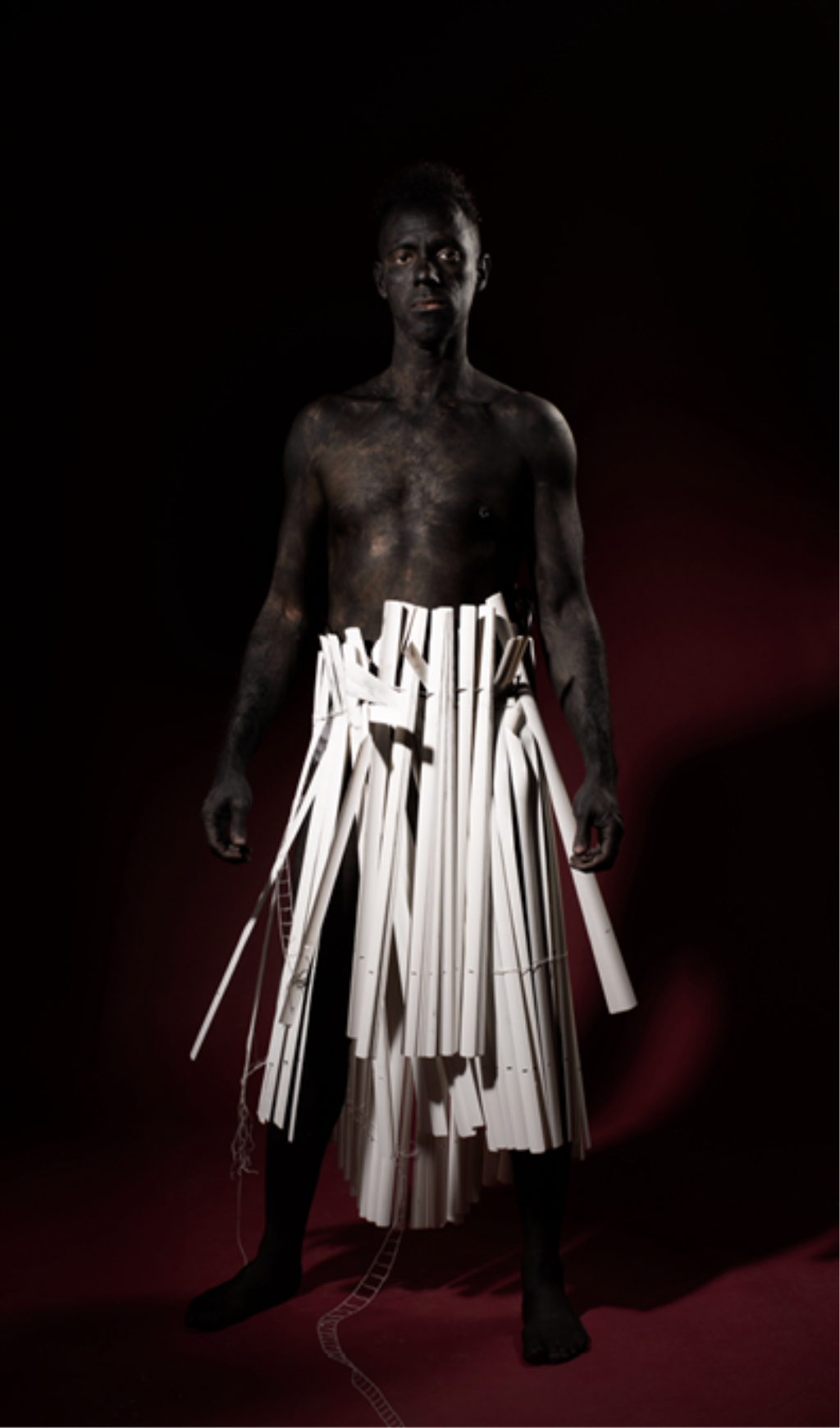

Clockwise from top left: Exhibition view, exhibition view detail, Gaga (los Curatro) (Photo), Tiznaros (Negrito) (Photo), Guloya (wild Indio) (Photo), Emilio Maldonado (all)
Extending the conversation beyond the gallery
Film Screening Hosted by Danny Simmons: The United States of Hoodoo
Artist, cultural producer, and collector Danny Simmons hosted a screening of The United States of Hoodoo, extending the exhibition’s questions about spiritual inheritance and cultural survival into a broader conversation about African-rooted traditions in the United States. As one of the documentary’s featured interviewees, Simmons introduced the film and discussed its connections to the exhibition with the audience.
The film expanded the exhibition’s interest in ancestry and spirituality into a broader conversation about how African-derived cultural and spiritual practices survive, change, and reappear in the United States.
Storytelling with Saundra Gilliard and On Blackness: Artist Talks and Panel
The exhibition expanded into a four-hour hybrid event combining storytelling, artist talks, and public conversation.
Nationally recognized storyteller Saundra Gilliard performed stories from West Africa, Black America, and the Caribbean that had influenced the artists. Camp and Maldonado then gave short artist talks before joining for a discussion about Blackness in America.
The event moved from oral tradition to artist interpretation to contemporary public dialogue. Storytelling gave audiences access to the cultural narratives behind the work, the artists situated those narratives within their own practices, and the panel opened the discussion outward to the lived complexity of Blackness in America.
Interpretation beyond the gallery
I developed a digital exhibition catalog to extend the artists’ research, images, and curatorial framework beyond the physical exhibition. I also facilitated an independent exhibition essay by art historian Danelle Bernten, titled The Magic Touch: Material Metamorphoses of Kimberly Camp and Emilio Maldonado. The essay examined how Camp and Maldonado used radically different materials and figures to explore Blackness, spirituality, vulnerability, and transformation.
Selected Press
Philadelphia Sunday SUN
“Dolls, Idols, and Ideals: An exhibition of shared experiences of Black identity“, Kimberly Camp
Read coverage →
All images curtesy of InLiquid
 Clare Finin